UX Design
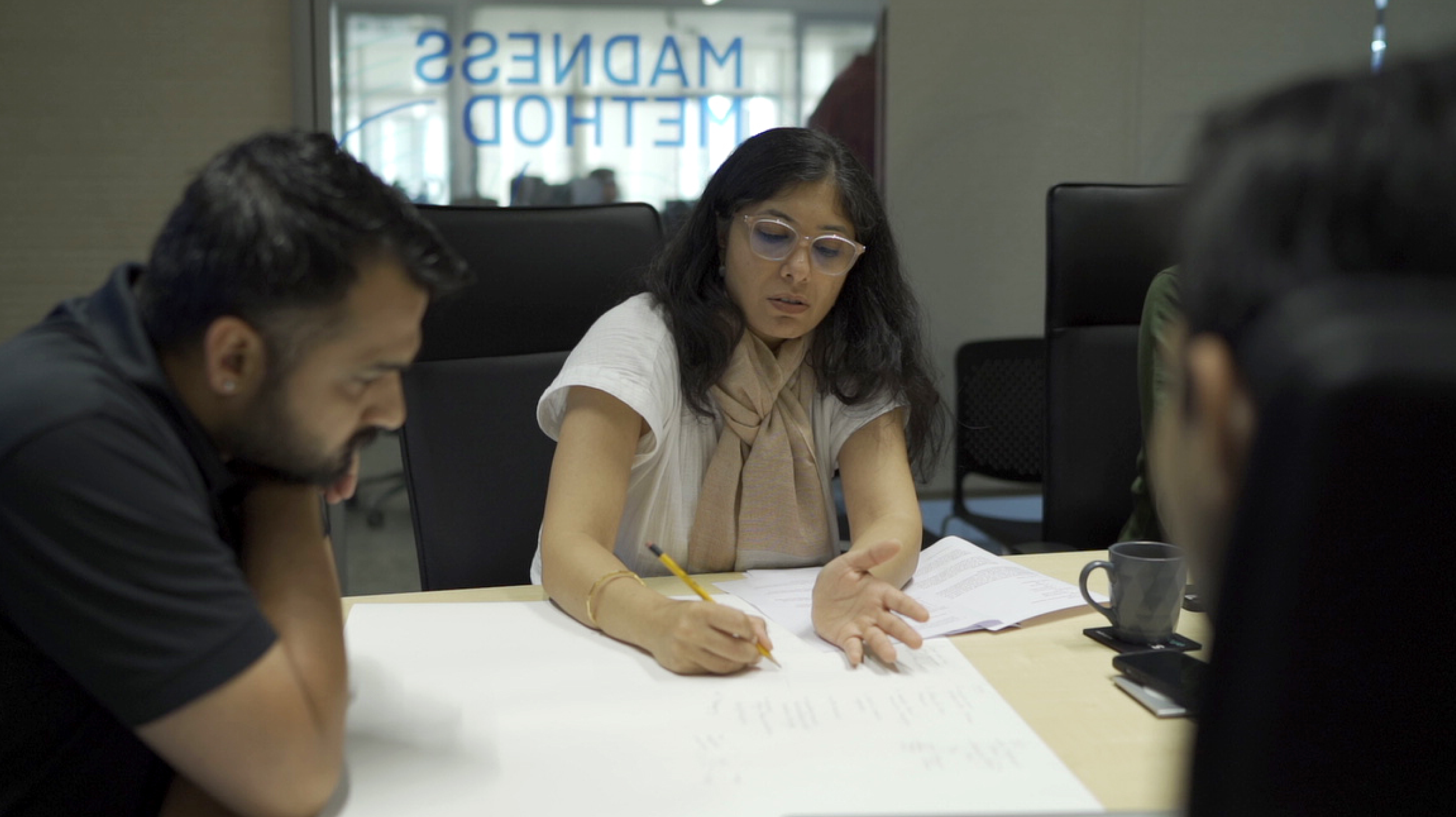
Deliver unparalleled product experiences with Aubergine’s integrated UX design solutions. From concept to launch, we blend creativity and strategy to craft seamless, user-focused experiences that captivate and engage audiences.
Building memorable digital experiences
Scalable and data-driven UX design for innovative user experiences
Our UX design process is rooted in research, behavioral insight, and strategic thinking, ensuring we create experiences that simplify complexity, drive engagement, and align seamlessly with business goals.
User Persona Profiling
We craft detailed, data-backed user personas through in-depth research and market analysis. By understanding your audience’s behaviors, needs, and motivations, we design intuitive user experiences that align with their expectations.
Information Architecture
We design clear, user-centric information architectures that address the intricate relationships between content, product features, and user flows. By organizing complex data into intuitive structures, we ensure seamless navigation, better accessibility, and a cohesive product experience.
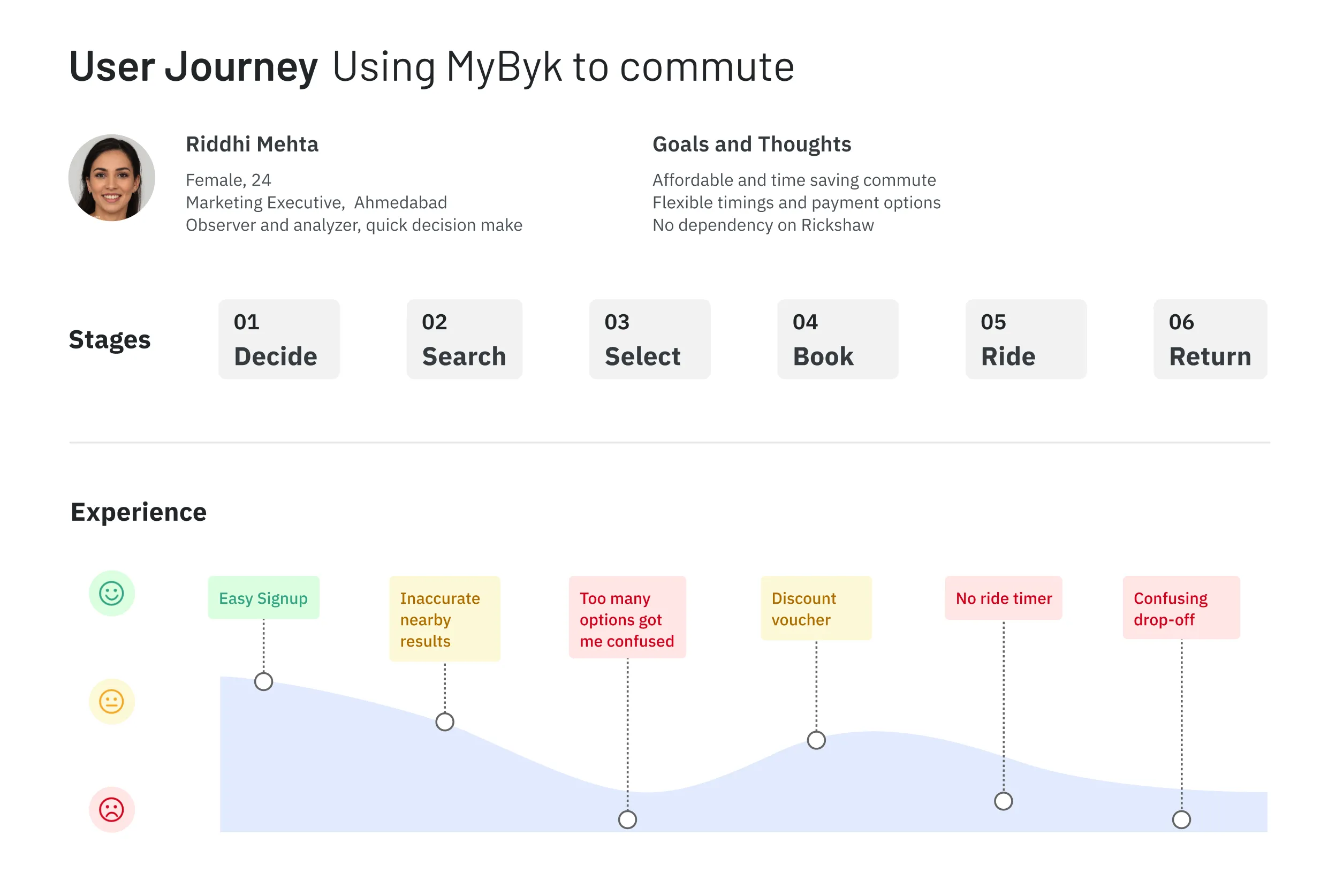
User Journey Mapping
Our user journey mapping delves deep into individual features, analyzing every potential scenario to identify usability challenges and opportunities to elevate user experiences. Our comprehensive approach enables intuitive pathways that consistently meet user needs.
Workflows
We specialize in designing efficient workflows that translate complex processes into intuitive experiences, enhancing engagement and driving measurable business success. Our design strategy focuses on optimizing digital journeys and eliminating friction for seamless product experiences.
Wireframes and Prototypes
Our wireframes and prototypes turn your vision into tangible blueprints of the product. These interactive models enable stakeholders to experience and test as we build, ensuring that every element aligns with your strategic goals. Our iterative approach enables user-centric enhancements and optimizations that set your digital experience apart.
Elevating business success with strategic user experience design
Our UX design solutions help companies boost conversions and create user experiences that drive long-term business growth and success. Aubergine’s lean and agile design approach helps teams launch faster, optimize engagement, and align their product with strategic business goals.


Agile market entry
Streamline your time-to-market with our agile UX design process. Iterate quickly, validate assumptions and launch with confidence.


Increase conversions
Convert visitors into loyal customers. Optimize touch points to guide users seamlessly through the conversion funnel and increase your bottom line.


Sustainable success
Our scalable UX approach aligns with user needs to deliver measurable outcomes. We design for long-term value, ensuring lasting growth.


Elevate your team
Enhance your organization's capabilities with our in-house UX specialists. Seamless talent integration ensures immediate impact and innovation.
UX experts driven by design excellence
Delivering innovative product experiences across industries with a team that is constantly pushing the envelope with its ingenuity.
40+
Global team of product designers and analytical thinkers delivering award-winning products
250+
Design projects delivered across various domains and segments
Aubergine’s UX designers bring together user research, product strategy, and creative excellence to build intuitive digital experiences. With extensive experience across enterprise and high-growth products, we design thoughtful interfaces that balance usability with business impact.
Design awards

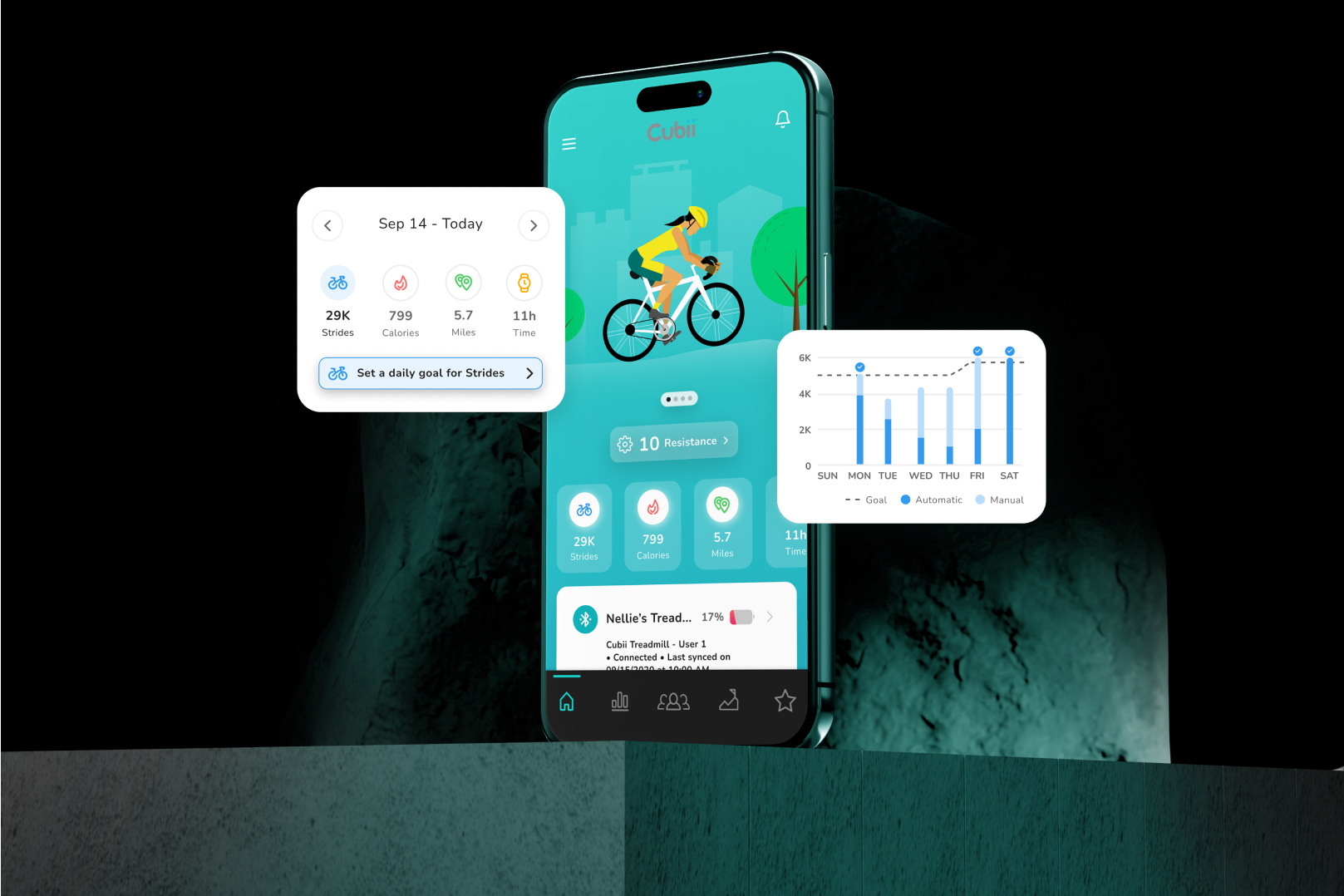











Everyone has praised our product’s sleekness and modern design and the way it solves user problems through simple UX.
5.0

Director, Tikler
FAQs
How can UX design benefit my business?

UX design can benefit your business in several ways. It helps increase user satisfaction, leading to higher retention rates and customer loyalty.
Improved usability and accessibility can also result in higher conversion rates and increased revenue. Additionally, investing in UX design can reduce development costs by identifying and addressing usability issues early in the design process.
What does the UX design process involve?
The UX design process typically involves several stages, including research, ideation, design, prototyping, testing, and implementation.
During the research phase, designers gather insights into user needs and preferences. Ideation involves brainstorming and conceptualizing design solutions.
Designers then create wireframes and prototypes to visualize their ideas before testing them with real users. Feedback from testing informs refinements, leading to the final implementation.
How long does it take to complete a UX design project?
The duration of a UX design project can vary depending on factors such as project complexity, scope, and product requirements.
A simple project may take a few weeks to complete, while more complex projects could span several months. It's essential to work closely with your UX design team to establish clear timelines and milestones to ensure timely delivery of the project.
How do you measure the success of UX design?
Success in UX design can be measured through various metrics, including user satisfaction scores, task completion rates, conversion rates, and retention rates.
Additionally, qualitative feedback from user testing sessions and usability studies can provide valuable insights into areas for improvement. By continuously monitoring and analyzing these metrics, you can refine your product's user experience and drive ongoing success.
Can you integrate UX design with our existing development process?
Yes, our UX design services are flexible and can be seamlessly integrated into your existing development process.
We prioritize communication and collaboration to ensure that UX design seamlessly aligns with development efforts, resulting in a cohesive and successful product.
Can UX design improve my product's accessibility and inclusivity?
Yes, UX design plays a crucial role in ensuring that digital products are accessible to all users, including those with disabilities.
By incorporating principles of inclusive design, such as providing alternative text for images, implementing keyboard navigation, and using color contrasts for readability, UX designers can create experiences that accommodate diverse user needs.
Prioritizing accessibility not only enhances the user experience but also demonstrates your commitment to inclusivity and social responsibility


.jpg)
.jpg)