SonarSense
Pushing the boundaries of drug-free healthcare solutions
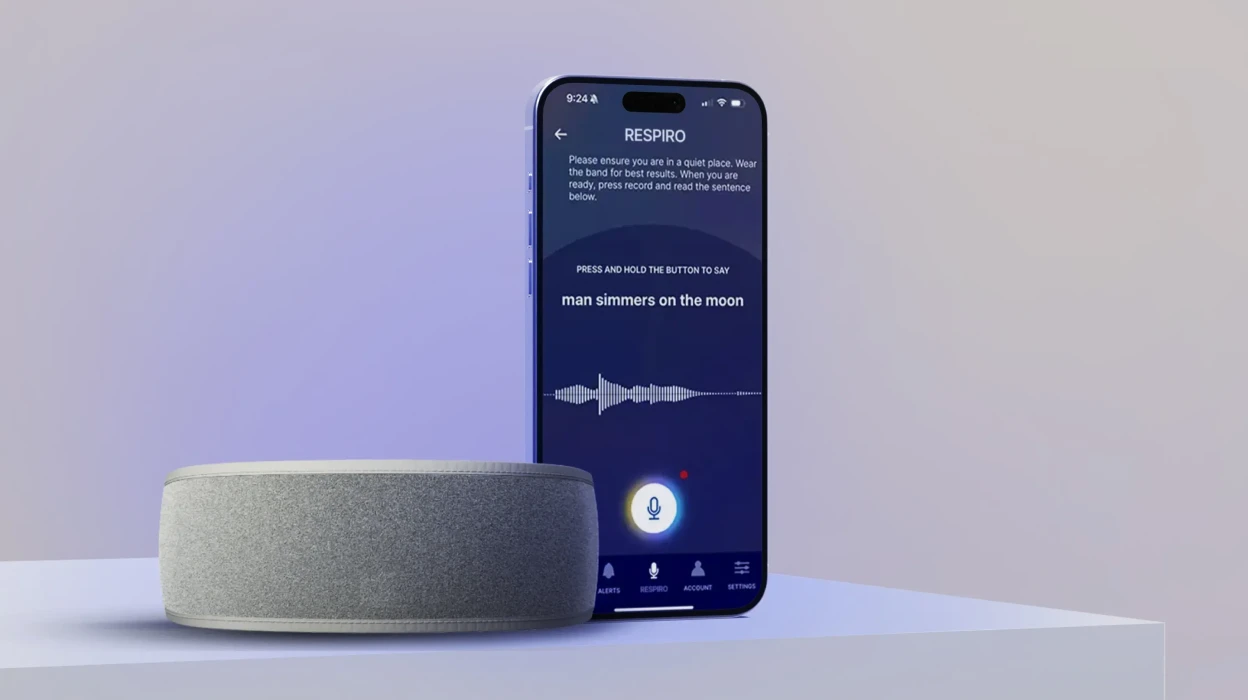

Aubergine partnered with SonarSense (anonymized) to build the core digital ecosystem for the world’s first FDA-authorized drug-free respiratory solution for nasal congestion relief. We engineered reliable hardware-software interactions, AI health features, and scalable mobile foundations to support SonarSense’s growing healthcare innovation.
The engagement focused on end-to-end product development across three product lines: Respiro, Respiro Air, and Spacial. Our product experts delivered Android applications from scratch, supported backend integrations, and ensured platform-wide testing and quality assurance.
Developed an innovative therapy experience with 80% user satisfaction driven by ease of use and personalised insights.

funding secured
user satisfaction
improvement in user flows

Fragmented user journey
Inconsistent user journey due to fragmented web and mobile experience.
Technical complexity
Non-tech audiences struggled with complex data handling and interaction logic.
Software disconnect
Early friction in pairing and setup risked weakening device adoption.
Create consistent experiences across all platforms
Ensure accessibility and ease of use for diverse groups
Enable seamless hardware-software integration
We built a reliable digital foundation to support SonarSense’s expanding product ecosystem, including Respiro, Respiro Airway, and Spatial. Our development work focused on Android applications built entirely from scratch, supported by backend and web services to ensure continuity across platforms. This approach reduced fragmentation, strengthened user trust, and reinforced SonarSense’s credibility as a technology-led healthcare innovator.

Working alongside evolving design directions, we validated UX flows to ensure feasibility, clarity, and alignment with real-world user behaviour. The platform architecture was designed to support scalability, data consistency, and secure handling of sensitive health information while remaining adaptable to future enhancements.
By grounding development decisions in usability and technical robustness, we ensured the digital ecosystem could support Respiro’s growing user base without introducing friction or fragmentation.
Delivering accurate, personalised therapy across platforms with uneven hardware capabilities was a challenge. To bridge this gap, we developed a proprietary algorithm that reconciles these disparities. This ensured consistent personalisation across devices.
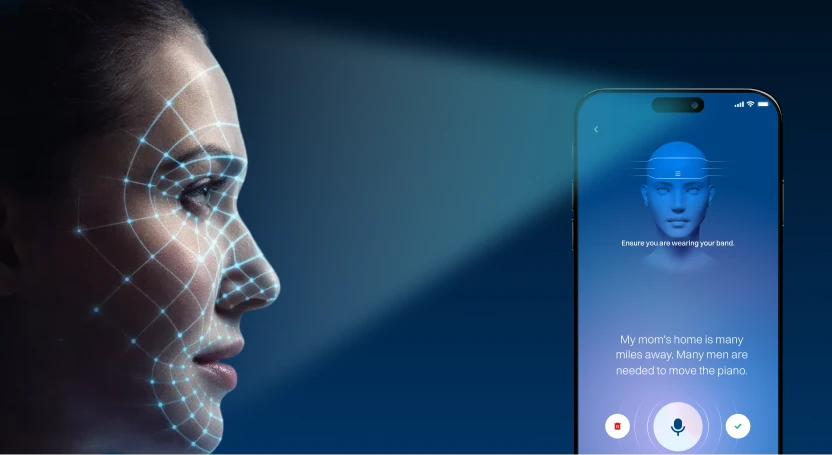
Comprehensive testing across Android and web platforms ensured consistent behaviour throughout the ecosystem, helping transform complex medical technology into dependable, user-ready products. In parallel, we built an AI/ML-powered voice analysis tool that assesses nasal congestion severity as high, medium, or low. This feature transformed raw audio input into meaningful therapy signals, strengthening the intelligence behind treatment sessions.
These capabilities allowed SonarSense to move beyond static experiences and deliver adaptive, data-driven therapy while abstracting underlying technical complexity from the user.
The success of Respiro depended on how effortlessly users could transition from physical device to digital experience. We engineered intuitive pairing and synchronisation flows that made connecting the wearable to its companion app feel reliable and predictable. This included building and refining the Bluetooth integration layer responsible for pairing, session control, and real-time feedback.

Our development enabled real-time syncing of therapy sessions and device feedback across platforms, ensuring users always had up-to-date insights into their treatment. Contextual cues and walkthroughs were embedded to guide users through setup, usage, and ongoing therapy, minimising uncertainty and reinforcing confidence. These improvements directly impacted product reliability in a sensitive medical context.
By building a cohesive hardware-software relationship, we helped SonarSense deliver a dependable therapy experience where technology supports wellness.
funding secured
user satisfaction
improvement in user flow