Audit
.webp)
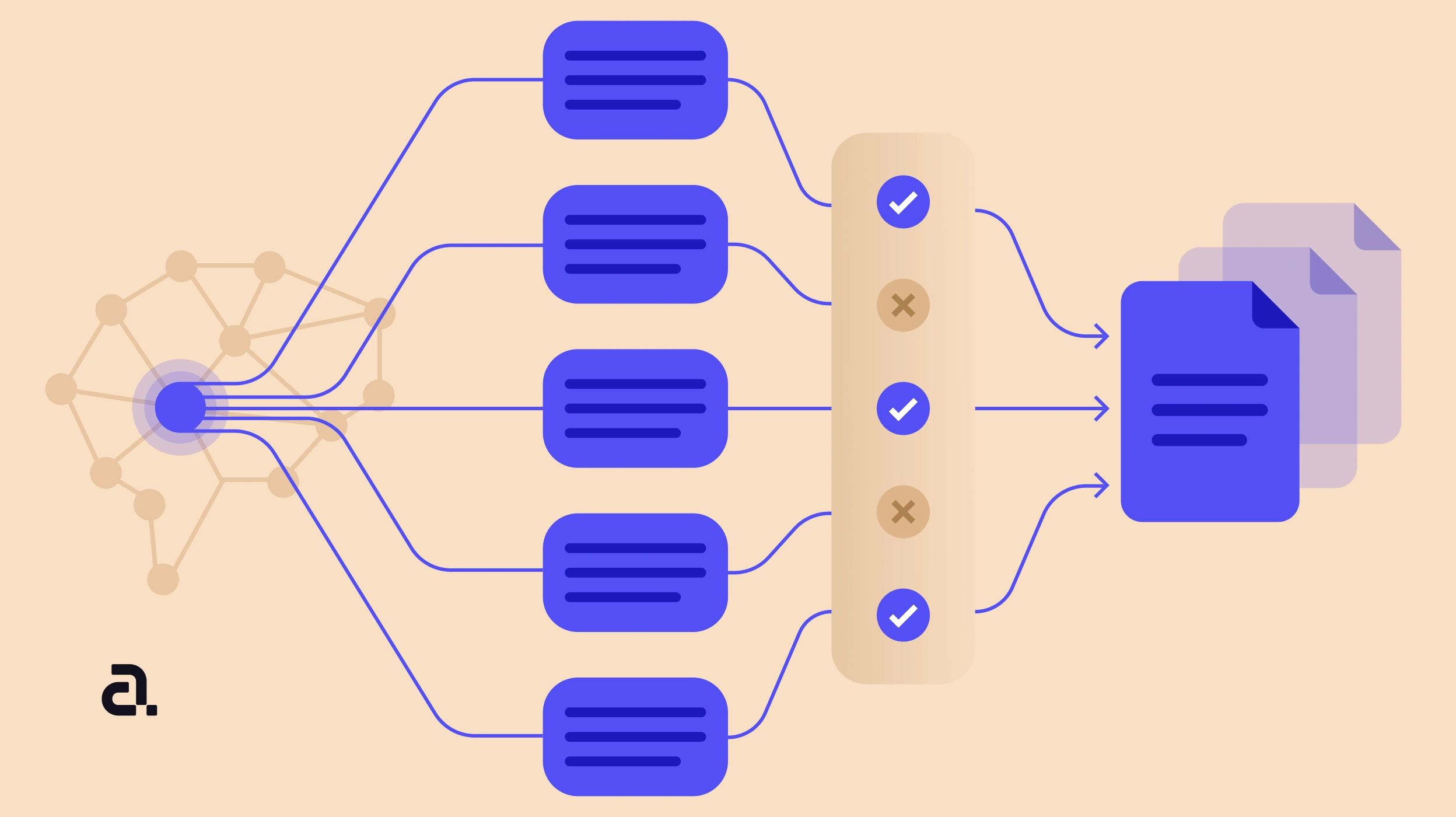
Our expert-led audits uncover usability, accessibility, and technical gaps to enhance product performance and meet regulatory compliance. Aubergine’s 360-degree digital audit services help you gain a competitive industry advantage and optimize for scalability. Align user needs with business goals with data-backed insights from our design and technology experts.
Uncover data-driven excellence
Comprehensive audit solutions to enhance usability, accessibility, and technical efficiency
Our proprietary evaluation framework combines multiple audits to evaluate every dimension of the product through heuristic analysis, accessibility compliance and technical due diligence. Mitigate risks, and drive engagement with strategic product recommendations.
Heuristic Audit
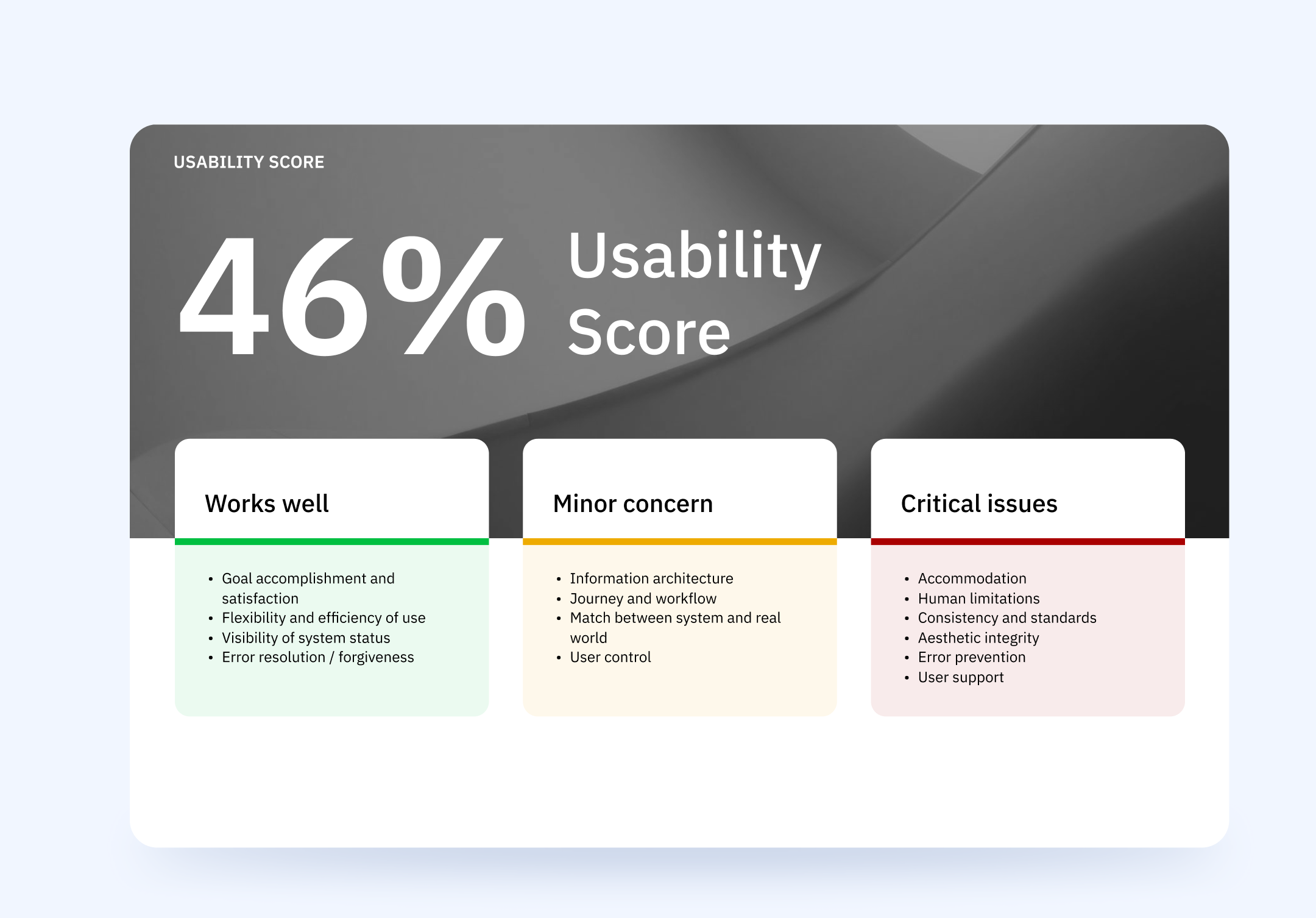
Our Heuristic analysis combines Nielsen’s usability principles with our proprietary framework to assess efficiency, clarity, and intuitiveness. We provide data-driven usability scores and insights that pinpoint UX gaps. Leverage improvements that align with user needs and business objectives.
Usage & Analytics Audit
Analyze real usage patterns, engagement data, and behavioral insights to identify gaps, drop-offs, and areas of improvement. We combine analytics with usability evaluation, to uncover hidden friction points and provide actionable recommendations to enhance performance and engagement.
Accessibility Audit
Meet the latest WCAG compliance standards and build universally accessible experiences. Our Accessibility Audit evaluates products against A, AA, and AAA guidelines to identify technical and usability barriers. We deliver an impact-driven optimization plan for lasting compliance.
Quality & Reliability Audit
Evaluate system performance, connectivity stability, and app behavior to identify bugs, failure points, and reliability gaps. These audits help uncover where systems break under real-world conditions and provide clear recommendations to improve stability, performance, and user experience.
Tech Health Audit
Analyze your app’s architecture, backend stability, and integrations to expose hidden bottlenecks, code flaws, and security risks. Our technical experts deliver actionable insights and a strategic plan to eliminate inefficiencies, fortify resilience, slash downtime, and future-proof your tech.
Insights that elevate business decisions and drive digital excellence
Our audit services optimize product usability, ensure compliance, and secure sustainable growth. We pinpoint risks and inefficiencies, and empower you to build high-performing, future-ready experiences that meet regulatory standards.

User satisfaction
Improve product usability, ease of use, and user satisfaction. Our audits ensure users can navigate your product independently, reducing friction, support needs, and abandonment.

Diagnostic insights
Identify the most critical gaps and opportunities in products. Discover the areas that will deliver the highest impact and prioritize improvements with clarity and confidence.

Data-driven success
Transform analytical data into decisive action. Leverage usability and technology insights that uncover friction points and empower you to make informed, user-centric product decisions.

Business optimization
Ensure your product stays adaptive and competitive. Integrated into agile workflows, our continuous evaluations help you stay up to date with industry shifts and market trends.
Scalable transformation with intelligent cloud solutions
Strategic product evaluation frameworks
Expert UX, design, and technology auditors that deliver impactful business results
150+
Engineers & designers building sustainable product experiences
500+
Design & tech audits delivered for businesses of all types and sizes
Our certified tech auditors, UX experts, and Web Accessibility Specialists (WAS) combine data-driven analysis with deep industry experience to assess your products. Our design and tech strategists ensure your digital products are compliant, user-centric, and built for success.











They put themselves in the user's position and come back with tweaks and ideas to make things easier for the customer
5.0

Director of a Meditation Platform
FAQs
Why should I conduct a product audit before scaling my product?

As products grow, usability issues, accessibility gaps, and technical inefficiencies often go unnoticed until they impact customer experience or performance. A structured audit helps identify these risks early and provides clear recommendations to improve usability, compliance, and system reliability before they become costly problems.
Aubergine’s audits give you a clear, data-backed understanding of where your product stands and what steps will have the highest impact.
What do you cover in your digital product audits?
Our audits evaluate multiple dimensions of your product, including usability, accessibility, and technical health. We assess user journeys, design consistency, performance, architecture, integrations, and compliance against recognized standards such as WCAG.
This holistic approach ensures that both user experience and technical foundations are evaluated together, not in isolation.
Why is accessibility auditing important for my business?
Accessibility is increasingly required across government, enterprise, and global markets. Failing to meet accessibility standards can limit your customer base and expose your organization to regulatory risks.
What is a technical health audit, and when should I conduct one?
A technical health audit reviews your application’s architecture, backend performance, integrations, and potential vulnerabilities. It helps uncover hidden bottlenecks, performance risks, and scalability limitations.
This type of audit is especially valuable before major releases, scaling initiatives, or infrastructure changes, ensuring your system can support future growth.
Will an audit disrupt our ongoing product development?
No. Aubergine’s audit process is designed to work alongside your existing workflows. We collaborate with your product, design, and engineering teams to review systems, analyze data, and present findings without interrupting development cycles.
What deliverables can I expect from an Aubergine audit?
You receive a structured report that includes findings, risk assessments, usability insights, compliance gaps, and prioritized recommendations. Where applicable, we also provide implementation guidance and improvement roadmaps.
These deliverables help product and engineering teams move quickly from insight to action.
How often should a product be audited?
Audits are most valuable at key stages such as pre-launch, before scaling, after major releases, or when entering regulated or enterprise markets.
Many organizations also conduct periodic audits to ensure ongoing compliance, performance, and usability as their products evolve.