Accessibility
.png)
We help your brand reach more customers by creating user-focused digital solutions that prioritize accessibility and innovation. Our approach ensures your products are designed for scalable growth while genuinely meeting user needs. Dedicated accessibility design experts ensure your digital assets comply with global standards such as WCAG and ADA, to expand market impact.
Accessible to everyone
Accessibility services that ensure inclusive digital experiences for all users
Deliver accessible digital products and inclusive experiences with WCAG and ADA compliant designs, VPAT certifications, and expert-driven design and technology evaluations.
Design + Tech Evaluation
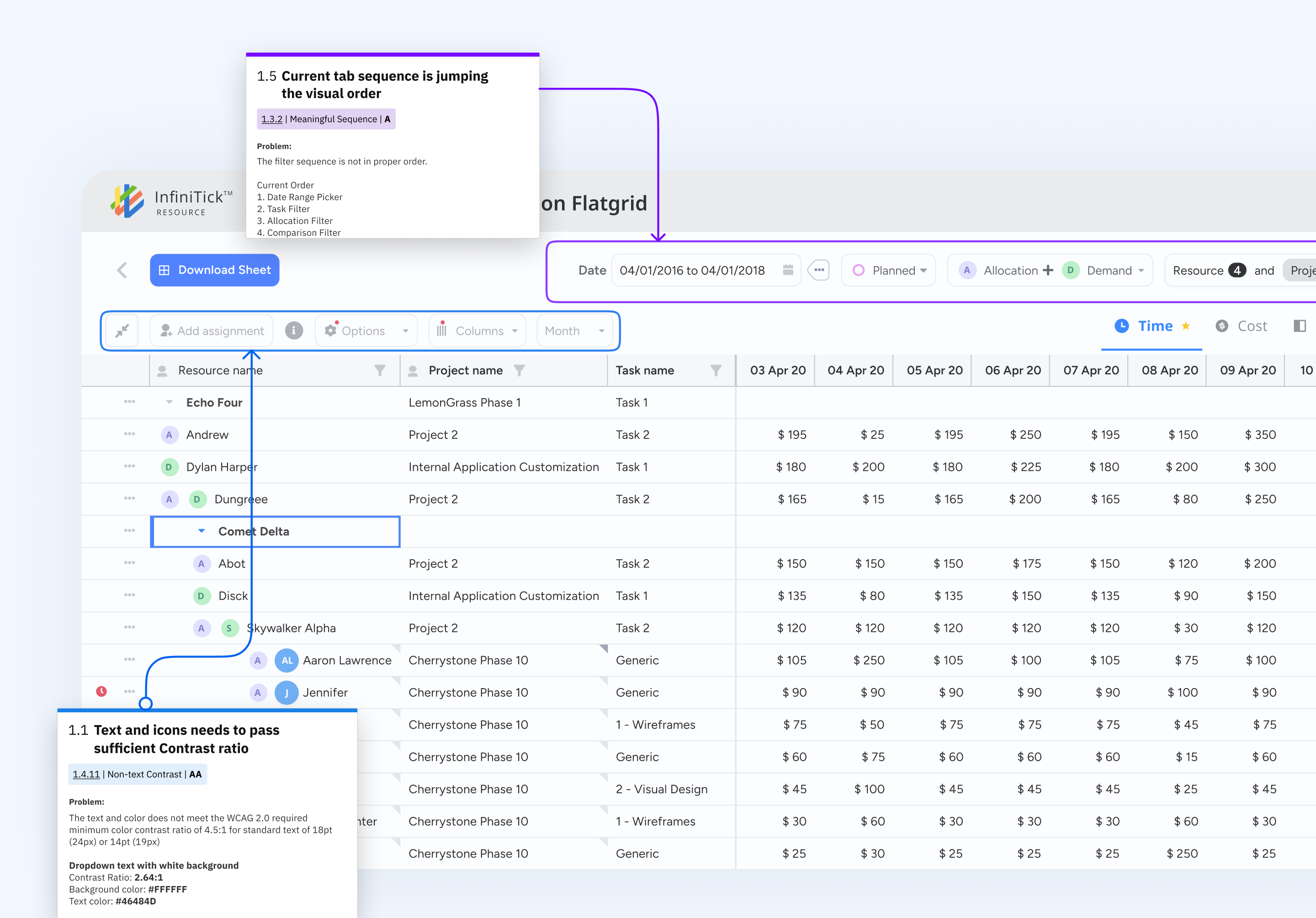
We assess technical and design elements to deliver accessibility insights that go beyond basic compliance. Unlike standard audits, our unified strategy identifies gaps across the entire user journey. Remove barriers and optimize for accessibility with a clear, actionable roadmap.
WCAG Compliant Designs
We design accessible digital experiences that meet WCAG A/AA/AAA compliance standards. We ensure effortless usability for all users through intuitive navigation, high-contrast visuals, keyboard accessibility, and seamless screen reader compatibility.
Compliance Certification
Our accessibility experts assess your digital products to ensure compliance with ADA, WCAG, and other global standards. We help you meet legal requirements and address potential risks through inclusive design and ongoing compliance strategies.
VPAT Certification
We deliver comprehensive Voluntary Product Accessibility Template certifications to assess your compliance with global standards. Our certification meets rigorous government and enterprise procurement criteria. It also helps you win customers where accessibility compliance is a mandatory requirement, and is blocking your sales.
Build accessible digital products that expand reach and reduce risk
Our Accessibility services empower companies to streamline compliance, deliver inclusive digital experiences, and build lasting trust. By integrating best practices, we reduce legal risks and unlock new market opportunities.


Risk mitigation
Respond to legal action and mitigate future risk with our integrated accessibility services. Safeguard your business from lawsuits and regulatory penalties while fostering inclusivity.


Cost savings
Invest in accessibility compliance upfront to minimize technical debt and cut costly retrofits. Leverage long-term cost savings and practice a sustainable product development strategy.


Expanded reach
Tap into previously underserved segments and unlock enterprise and government buyers. Cater to users with neurodivergent challenges, impairments, and diverse abilities.


Future-ready
Invest in accessibility compliance today to future-proof your business. As digital design trends and regulations evolve, you stay adaptable and resilient in an ever changing landscape.
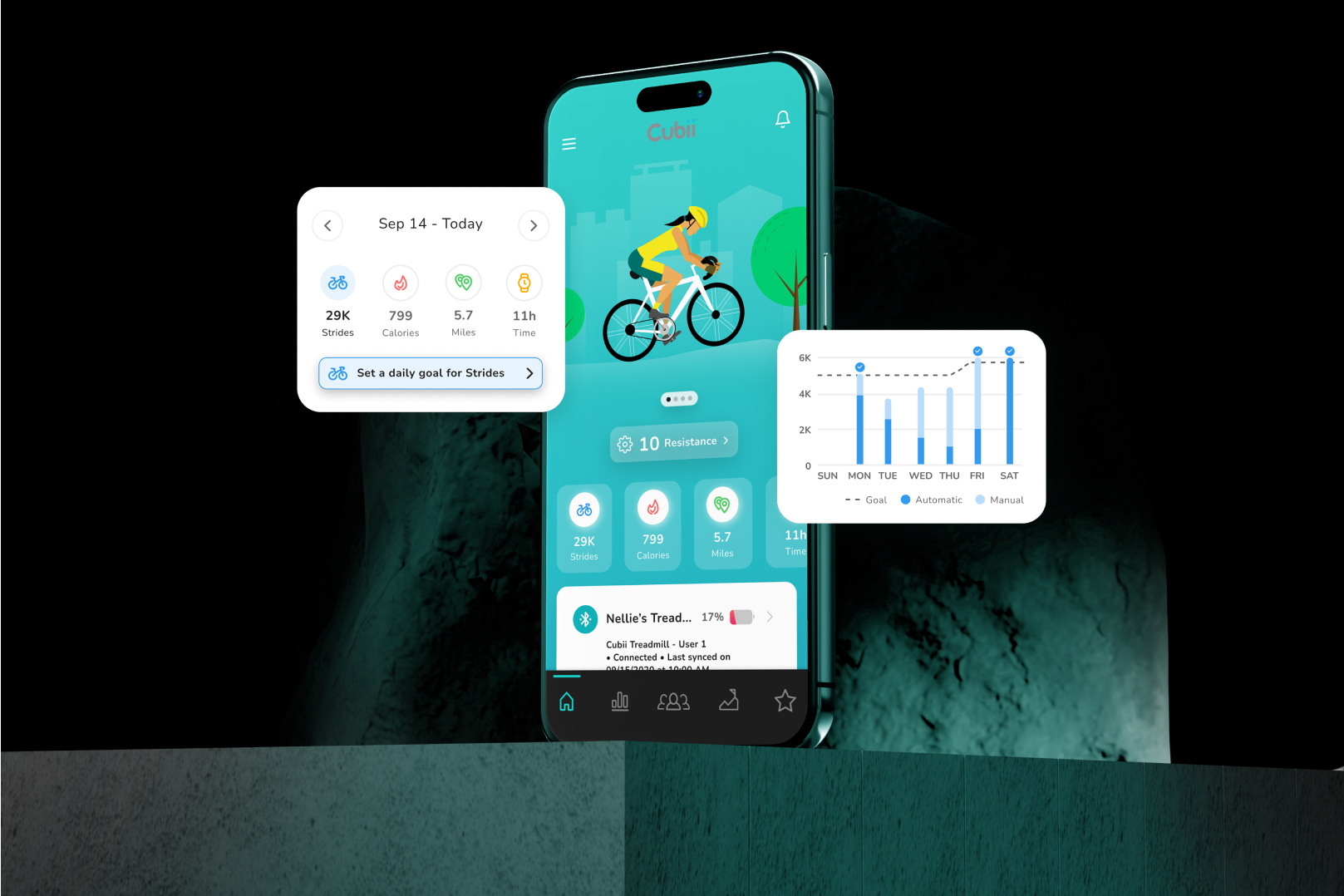
Design systems solutions for scalable products
Certified Web Accessibility Specialists (WAS)
Specialized digital accessibility expertise in design and regulatory compliance
40+
Global team of product designers and analytical thinkers delivering award-winning products
250+
Design projects delivered across various domains and segments
With a deep understanding of WCAG standards, user behavior, and technical accessibility, our team stays at the forefront of evolving accessibility regulations and innovations. Our certified experts help organizations build sustainable, scalable, and future-ready accessibility programs.












Aubergine Solutions thinks like the end user, which is rare. Most companies work towards the specification.
5.0

Director, Meditation Platform, UK
FAQs
How can digital accessibility benefit my business?

Digital accessibility ensures your products are usable by everyone, including people with disabilities. At Aubergine, we help businesses design and build accessible digital experiences that expand reach, improve usability, and reduce legal and compliance risks.
Beyond inclusivity, accessibility improves overall product quality, strengthens brand trust, and ensures your digital platforms are ready for a diverse and global audience.
Does my product need to be accessible if it is not explicitly mandated by compliance requirements?
While compliance with standards like WCAG and ADA is critical, accessibility goes far beyond legal requirements. Accessible products are easier to use, more intuitive, and more resilient across devices and environments.
Aubergine approaches accessibility as a product quality and business growth driver that helps create experiences that work better for all users, not just a subset.
What sets Aubergine’s accessibility services apart?
Aubergine integrates accessibility into the core of product design and development rather than treating it as a checklist or afterthought. Our WAS-certified experts work closely with design, engineering, and QA teams to embed accessibility across workflows.
We address accessibility across the entire product lifecycle. From color contrast and typography in design to semantic structure, keyboard navigation, and screen reader support in development, accessibility is validated at every stage.
Our approach ensures consistent accessibility across devices, platforms, and updates, reducing the risk of regressions as your product evolves.
How does Aubergine help mitigate legal and compliance risks?
Aubergine aligns digital products with globally recognised accessibility standards such as WCAG and ADA. We identify gaps, provide actionable remediation guidance, and support teams through implementation.
This proactive approach helps reduce exposure to accessibility-related complaints or litigation while demonstrating a strong commitment to inclusive and responsible design.
What is included in the Accessibility Audit?
You'll gain a deeper understanding of your product's accessibility limitations that may be creating barriers for customers and users. Additionally, you will receive the following:
1. A comprehensive report detailing the applicability of Level A, AA, and AAA compliance for your product.
2. Tailored recommendations on improving accessibility.
3. Insights into areas where accessibility can have a significant impact.
4. A prioritized list of critical compliance issues along with a suggested order of addressing them.
How does an Accessibility Audit differ from a UX Audit?
An accessibility audit focuses on evaluating a product's compliance with accessibility standards, ensuring it can be used by people with various disabilities. It assesses elements like keyboard navigation, screen reader compatibility, and color contrast.
A UX audit, on the other hand, evaluates the overall user experience, examining usability, user flows, and interaction design. While accessibility audits are about inclusivity and compliance, UX audits focus on optimizing user satisfaction and engagement. Both are crucial but address different aspects of a product's usability.




.webp)
.jpg)